September 04, 2026 - 45 views
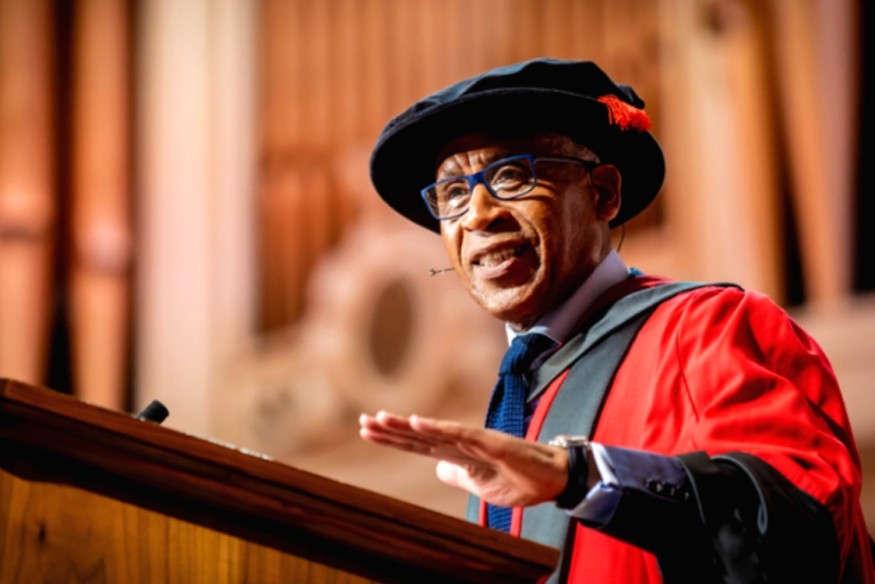
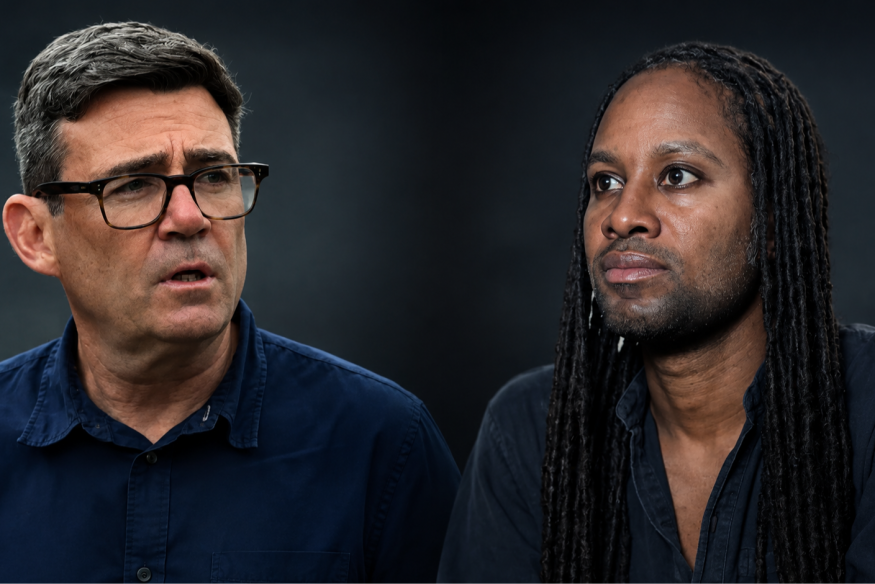
Professor Deborah Prentice says the two-part independent review will examine Cambridge’s support, interventions and protections before Professor Jason Arday’s death, as well as his recruitment, mentoring and the university’s handling of misconduct allegations.

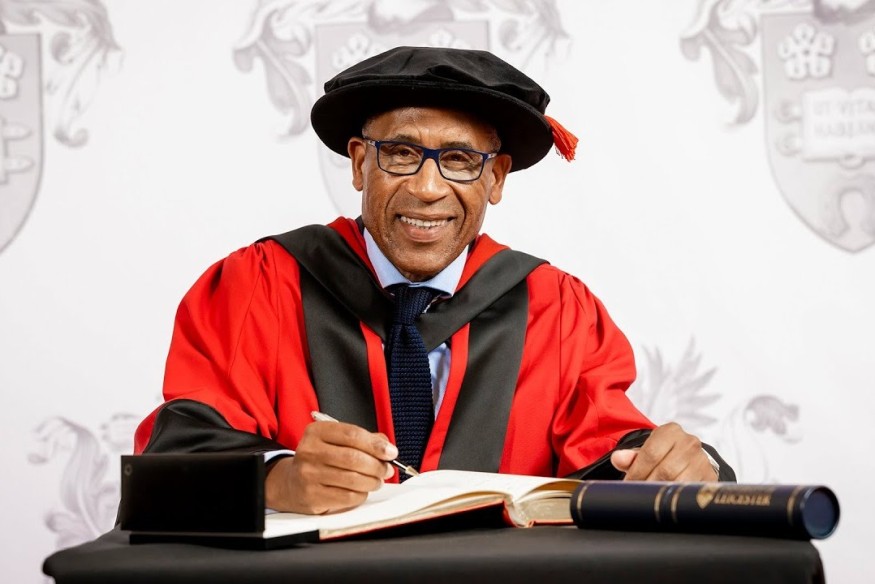
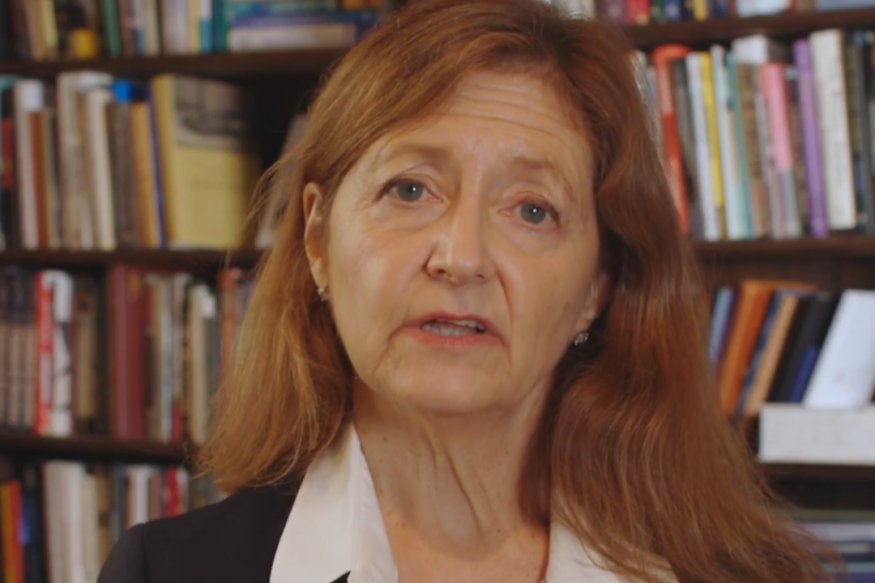
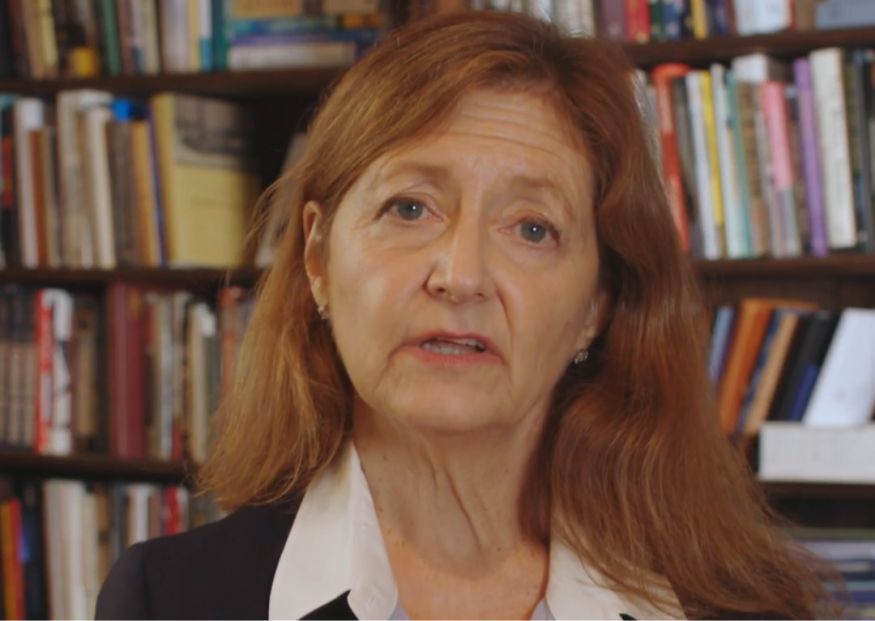
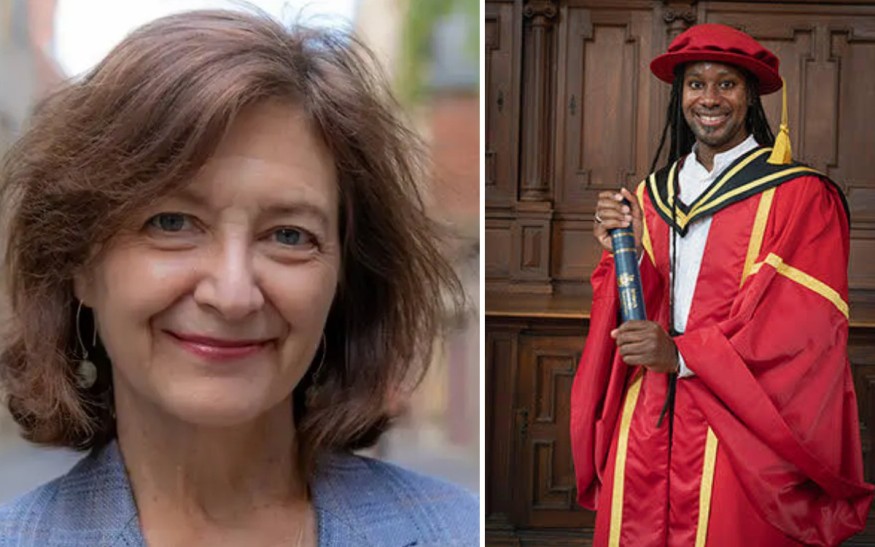
Cambridge Vice-Chancellor Professor Deborah Prentice has announced a two-part independent review into Professor Jason Arday’s time at the University of Cambridge and the support, interventions and protections available to him before his death.
In a video statement, Prentice said the weeks since Arday’s death had been a period of “profound sadness and reflection” across the university. She said members of the Cambridge community had shared fond memories of him, alongside the pain, sadness and anger they continue to feel.
Advertisement
Collect AKIMYAX Anime Keyrings
Meet Nori & Miko — the first original duo from the AKIMYAX Pocket Duo Series.
SHOP AKIMYAXThe University Council has now authorised an independent process intended to identify institutional shortcomings and areas requiring improvement.
The announcement marks a significant shift in focus. For weeks, the questions were overwhelmingly directed at Professor Arday—his work, his personal history and whether Cambridge should have appointed him. Cambridge is now being forced to examine itself: what it did, what support it provided and what it failed to do as the pressure surrounding him intensified.
BREAKING:
— Jam Radio UK News (@Jam_RadioUK) September 4, 2026
Cambridge Vice-Chancellor Professor Deborah Prentice announces an independent review into the university’s treatment of Professor Jason Arday.
The review will examine the support, interventions and protections available to him before his death, and what Cambridge… pic.twitter.com/fmFDYPBoRk
Support and protections before Arday’s death
Part One will examine the support, interventions and protections available to Professor Arday during the period before his death.
It will be led independently by Nazir Afzal OBE, the former Chief Crown Prosecutor for North West England. Afzal is expected to report within three months, with Cambridge saying the resulting recommendations will be considered and acted upon urgently.
This goes directly to concerns already raised by Cambridge students, staff and alumni, who accused senior university leaders of failing to protect Arday while he faced an escalating and frequently racialised public campaign.
Cambridge’s announcement does not answer those allegations. It does, however, acknowledge that the university’s support, safeguarding decisions and actions before Arday’s death now require independent scrutiny.
The stated remit is institutional. It is not presented as an investigation into the medical or legal cause of Professor Arday’s death, but into what Cambridge did, what help was available and whether the university could or should have acted differently.
Recruitment, mentoring and misconduct procedures under scrutiny
Part Two will conduct a broader examination of Professor Arday’s time at Cambridge and the university processes surrounding it.
It will consider his recruitment, the mentoring and support offered to senior academics and how Cambridge responds when allegations of research misconduct are made.
An external chair and an expert panel, all independent of the university, are to be appointed. This stage is expected to conclude within six months.
The review will therefore examine both Cambridge’s appointment procedures and what happened after one of its most visible Black and neurodivergent academics became the subject of sustained national scrutiny.
Lord Simon Woolley previously called for an investigation into what he described as a “vicious media onslaught” against Arday, arguing that the scrutiny had moved beyond legitimate examination and become a “blood sport”.
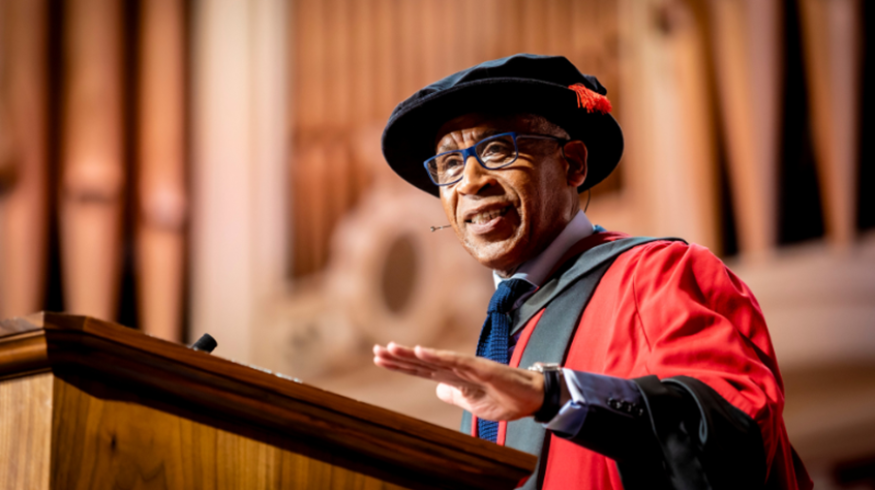
Public pressure then intensified rapidly, with more than 50,000 people backing calls for an inquiry in little more than 24 hours.
Cambridge promises summaries, not the full reports
Prentice said Cambridge would publicly share a summary of the findings, recommendations and proposed actions after each part of the review reports.
However, her announcement did not commit the university to publishing either report in full.
Professor Sir Hilary Beckles later described the events surrounding Arday’s death as a “gruesome, networked catastrophe”, warning about the consequences when institutional power, media pressure and racial hostility converge around a vulnerable individual.
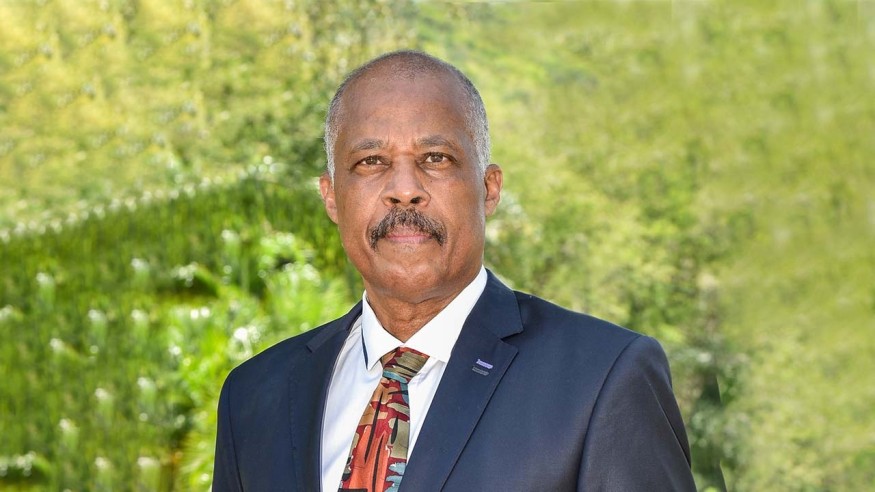
That distinction matters. Public confidence will depend not only on who leads the reviews, but on whether their evidence, conclusions and criticisms are made fully visible rather than filtered through university-approved summaries.
Questions also remain about the final terms of reference, which witnesses will be heard, whether Professor Arday’s family and those who tried to support him will be consulted, and whether the reviewers will have unrestricted access to internal communications and decisions made by Cambridge’s senior leadership.
Vice-Chancellor condemns racist abuse
Prentice also acknowledged the particular impact of Professor Arday’s death on Black members of the university and Cambridge’s neurodiverse community.
She condemned what she described as an unacceptable rise in racist, hateful and abusive attacks against university staff and students in online forums and on social media.
Cambridge says it is working with relevant staff and student groups to direct people towards targeted support. But the acknowledgement raises a harder question: why was the scale of racial hostility recognised so clearly after Professor Arday’s death, rather than countered decisively while he was alive?
A review is not yet accountability
The new process is the clearest indication yet that Cambridge accepts its own actions—or failures to act—must now form part of the examination of what happened to Professor Jason Arday.
But launching a review is not, by itself, accountability. Its credibility will depend on the breadth of its remit, the evidence the reviewers are permitted to examine, how fully the findings are published and whether responsibility is allowed to reach the highest levels of the university where necessary.
Cambridge says it wants to listen carefully, learn honestly and act responsibly.