September 21, 2026 - 122 views

As Belize celebrates 45 years of independence, some families may be unaware that the constitutional break with Britain did not end every British nationality connection.
On Monday, 21 September, Belize marks 45 years of independence — a defining moment in the history of a country whose identity has been shaped by resilience, African culture, the Caribbean and Central America, and its long relationship with Britain.
When the Union Jack was lowered in 1981, Belize stepped forward as a sovereign nation, ending the colonial chapter of British Honduras and beginning a new era under its own flag.
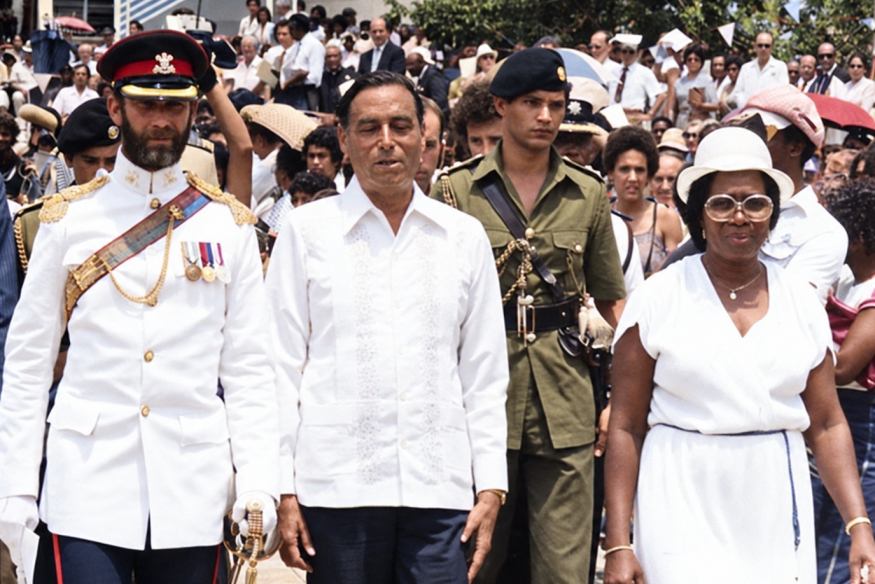
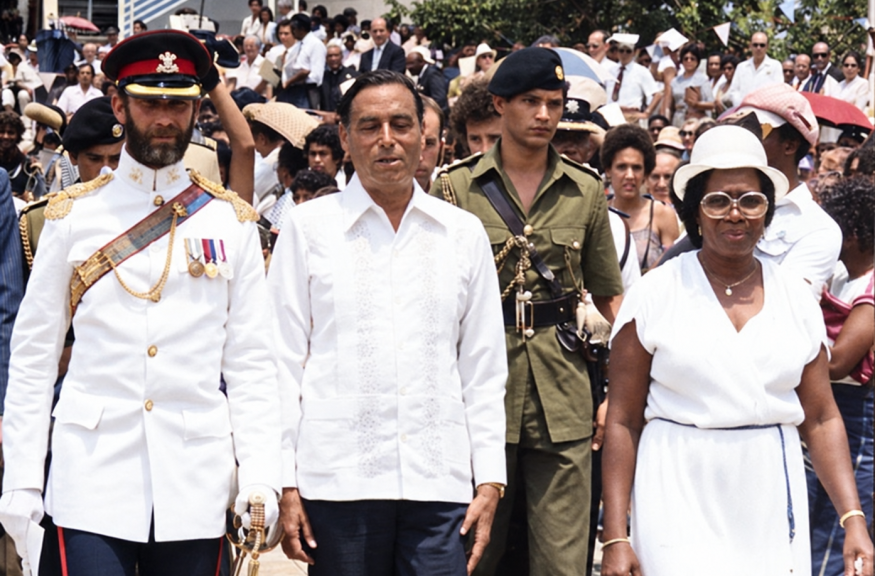
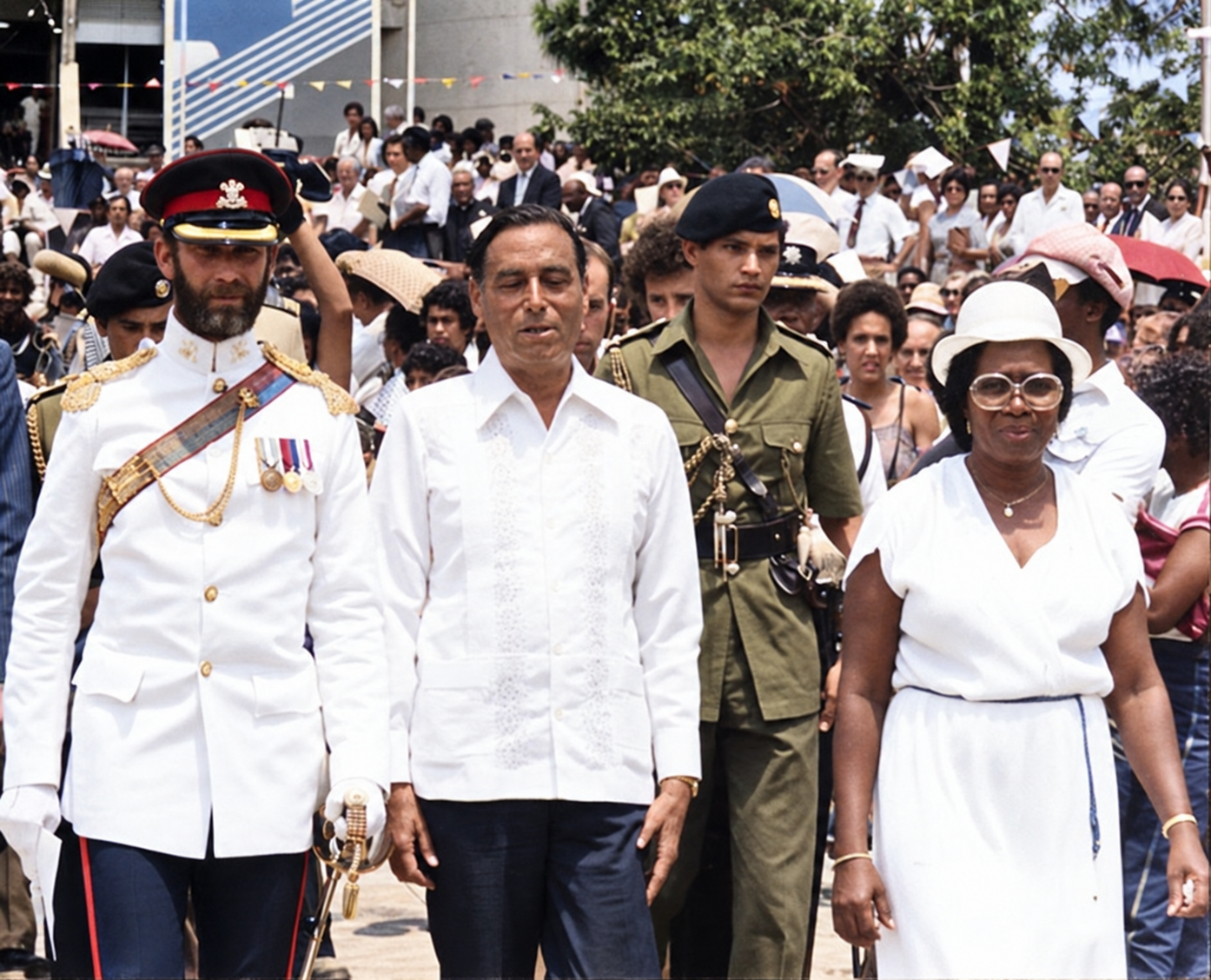 Left to right: Prince Michael of Kent, Rt. Hon. George Price (Prime Minister), Dame Minita Gordon (Govenor General) - Belmopan, Belize 1981
For generations of Belizeans, Independence Day is rightly a celebration of national pride: of the country’s people, its languages, its Garifuna, Maya, Creole, Mestizo and other communities, its hard-won place in the world, and its determination to shape its own future.
But there is also a little-known part of that history which may still matter to some Belizean families today.
At the point of independence, many people connected to Belize held the old status of Citizen of the United Kingdom and Colonies — commonly known as CUKC. In most cases, independence meant that status fell away as Belizean citizenship took its place.
However, the position was not identical for everyone as some may qualify for British citizenship directly and others may by descent.
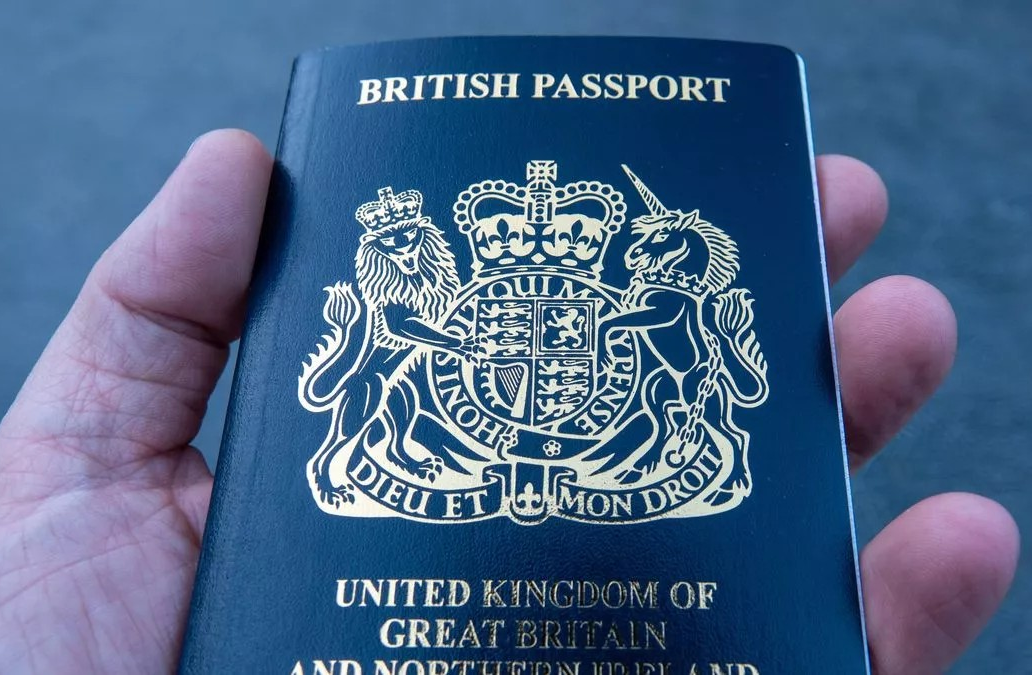
Book a consultation now: To find out if you qualify for British Citizenship
One of our legal experts will assess your claim to determine if you and your children are entitled to British Citizenship and a UK passport.
Special protections existed for certain people who had already built an established life in the United Kingdom, or who had particular historic connections there. In some circumstances, a Belizean who became a citizen of the newly independent Belize could also have retained their British colonial citizenship status because they held the right to live in the UK without immigration restriction.
That matters because, when British nationality law changed shortly afterwards in 1983, some people who had retained that status and right of abode became British citizens automatically. Which means that there is a cohort of Belizeans who are British citizens today, without even knowing it.
It is a part of the independence story that is not widely discussed, and it may mean that some Belizean families have a British citizenship history they have never fully explored.
This is not a blanket entitlement. Being born in Belize, having a British surname, or having relatives in England does not by itself establish British citizenship. Every case turns on the individual family history, the person’s status at the time, where they had lived, and the legal position passed through parents and grandparents.
But for families where a parent or grandparent had lived and settled in Britain before Belize’s independence, and who had extensive residence in the UK, or later had children born outside Britain, there may be questions worth asking.
In many families, the clues may be sitting quietly in a drawer: old British passports, residence stamps, employment records, school records, National Insurance documents, correspondence from the Home Office, Social Security (DWP), Military records or family stories of a relative who came to Britain and later returned to Belize.
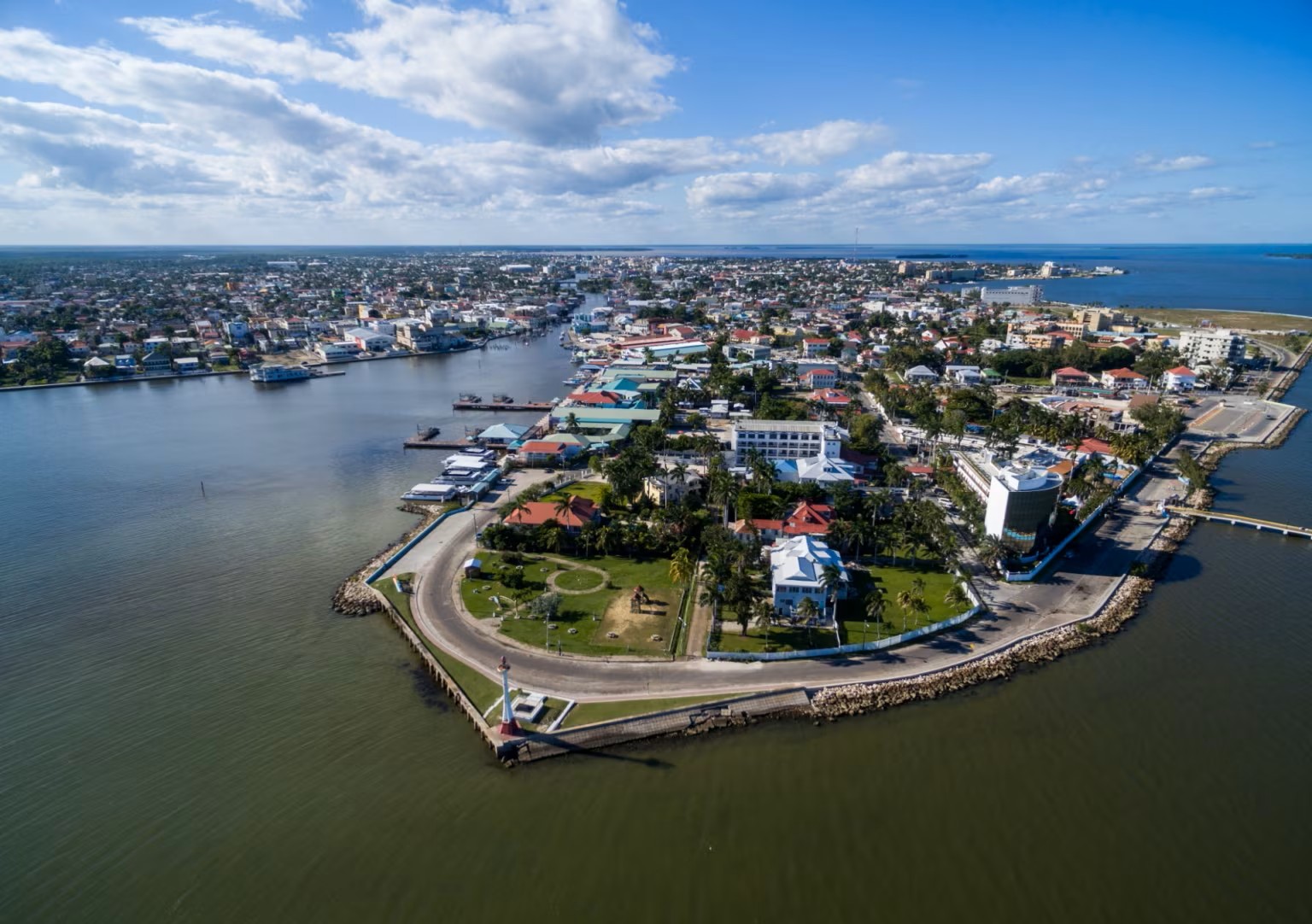 Belize City, Belize
For some, those papers may simply be family history. For others, they may form part of a larger nationality story, one that has been overlooked for more than four decades.
Belize’s independence should never be reduced to its former colonial relationship. The achievement of 21 September 1981 was precisely the right of Belizeans to define themselves, govern themselves and build their nation on their own terms.
Yet understanding the full legacy of that transition matters too. Independence did not always cut every legal tie in the same way for every family. In a small number of cases, the history of residence, belonging and citizenship continued in ways that many people may not realise.
As Belize celebrates 45 years of independence, Jam Radio invites Belizean families who believe there may be an unexamined British nationality connection in their history to seek proper advice and have their circumstances carefully reviewed.
Euen Herbert-Small is a British nationality researcher and campaigner for change around Historical Legislative Unfairness and its impact on members and descendants of the Windrush generation.
Book a consultation now: To find out if you qualify for British Citizenship
One of our legal experts will assess your claim to determine if you and your children are entitled to British Citizenship and a UK passport.