28 Years Later: The Bone Temple.
A feral return to the franchise that refuses to die quietly
28 Years Later: The Bone Temple doesn’t just resurrect a franchise, it exhumes it, electrifies it, and hurls it screaming into a world that feels uncomfortably close to our own. This is the rare legacy sequel that understands its inheritance: rage, ruin, and the uncomfortable truth that institutions collapse far faster than they rebuild.
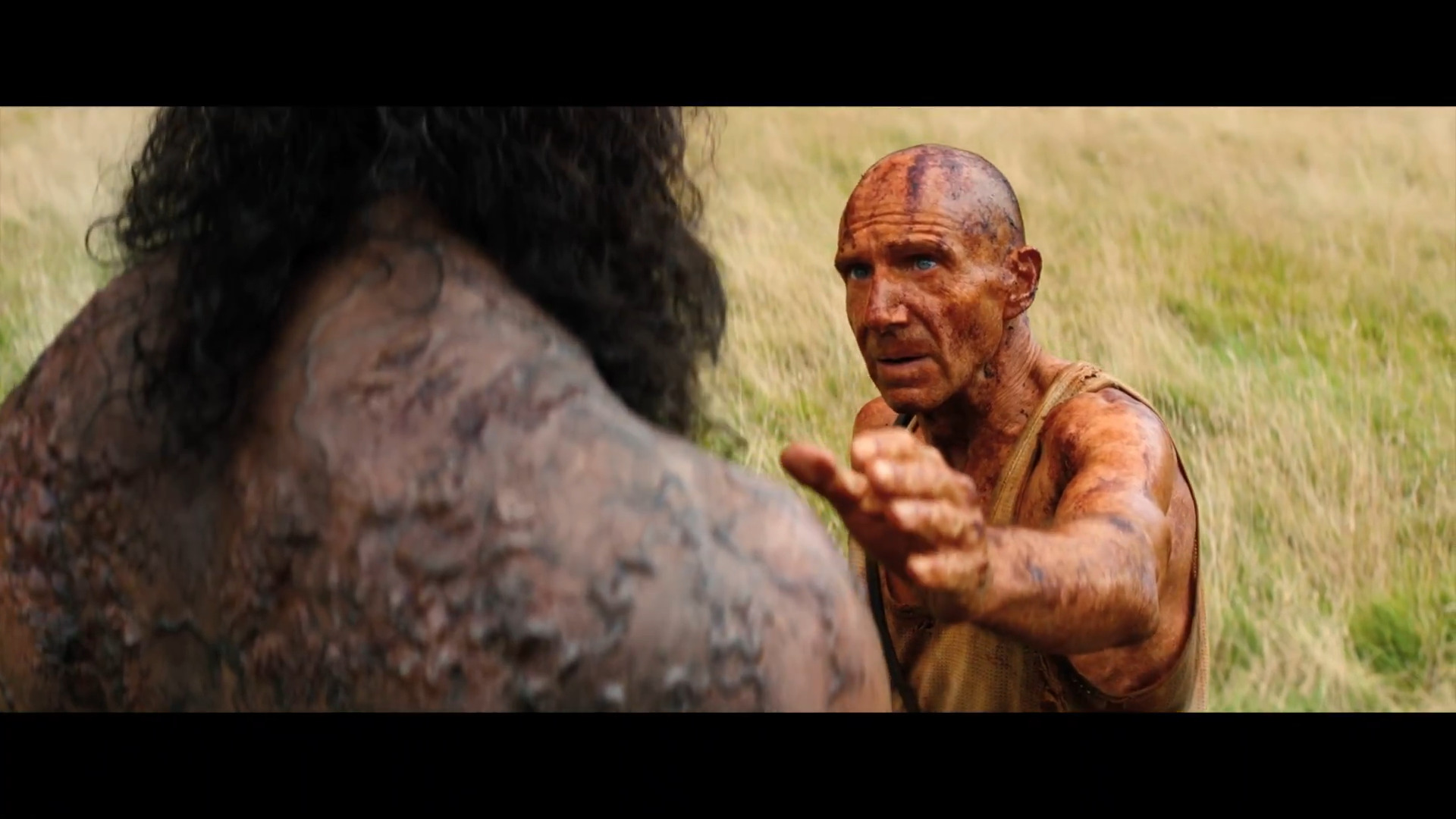
Where 28 Days was intimate and 28 Weeks was militarised, The Bone Temple is mythic. Director Danny Boyle returns with the confidence of someone who knows he helped define modern horror, and he swings for something bigger.
Set nearly three decades after the original outbreak, Britain is no longer a nation but a rumour. What remains is a patchwork of fortified enclaves, cult settlements, and bureaucratic ghosts clinging to authority they no longer possess. The film’s central location, the eponymous Bone Temple, is a masterstroke: part sanctuary, part ossuary, part political allegory. It’s the kind of setting that feels ripped from a Caribbean oral history of survival, where communities build meaning from the ruins left by indifferent powers.
Boyle uses it to ask a brutal question:
When the state collapses, who gets to define truth?
Ralph Fiennes tears through The Bone Temple with a performance that’s wild, hypnotic, and impossible to look away from. Critics describe him as a deranged prophet‑showman, building a literal monument of bones while delivering a turn so theatrical and unhinged it borders on myth
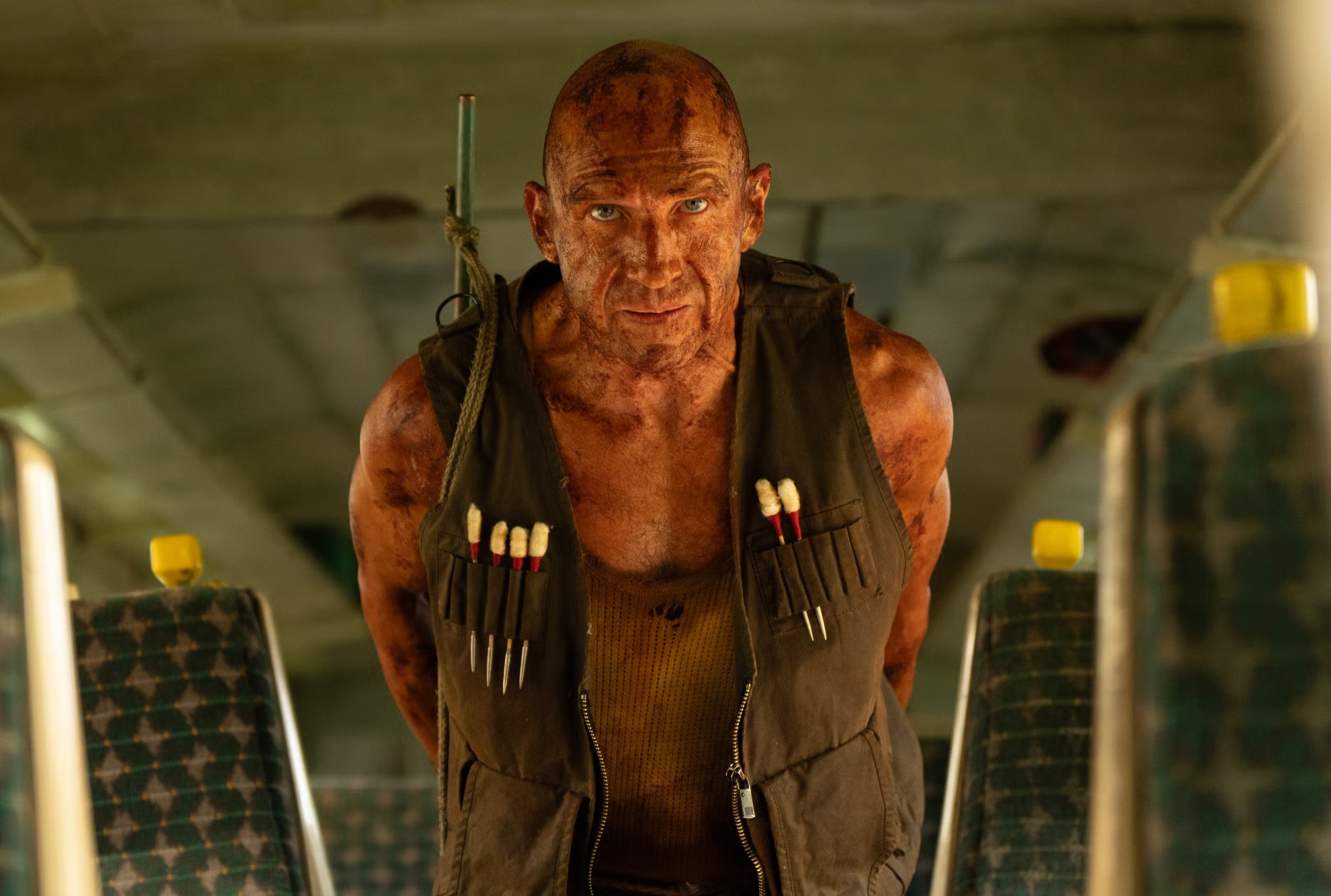 Ralph Fiennes brilliantly plays Dr. Ian Kelson
Jodie Comer delivers a career‑best performance as Mara, a survivor whose scepticism is as sharp as her machete. She embodies the exhaustion of a generation raised on broken promises, a theme that will resonate with anyone who has ever fought opaque institutions for basic justice.
Aaron Taylor‑Johnson brings a volatile energy as a former soldier haunted by the sins of past “containment operations.” His arc is a pointed indictment of the cycles of violence governments justify in the name of order.
And then there’s the infected — faster, more feral, and somehow more tragic than ever. Boyle shoots them like a force of nature, not monsters but consequences.

What makes The Bone Temple compelling isn’t just the gore or the tension — though both are exceptional. It’s the film’s willingness to interrogate the narratives of power that shaped the earlier entries. The military isn’t coming. The scientists aren’t saviours. The government isn’t even a rumour. Communities survive because they choose to, not because anyone rescues them.
This is a horror film that understands the politics of abandonment.
The cinematography is blistering — kinetic handheld chaos punctuated by moments of eerie stillness. The Bone Temple itself is unforgettable: a cathedral built from the remains of the old world, lit by fire, echoing with chants that blur the line between faith and fear.
The score pulses like a heartbeat on the edge of collapse. It’s the closest the franchise has felt to a nightmare you can’t wake from.
JamRadio's Verdict
28 Years Later: The Bone Temple is the rare sequel that justifies its existence. It’s bold, furious, and uncomfortably relevant — a film that understands horror is not just about monsters, but about systems that fail and the people forced to survive their fallout.
For JamRadio’s audience — especially those who know what institutional abandonment feels like — this film hits a nerve.
Rating: A brutal, brilliant resurrection.